
Is the “it is too expensive” objection holding your projects back? Learn how to justify investing in 3D visualisation by focusing on ROI, risk reduction and faster sales.
Let us be direct. You have heard this. I have heard this. You present an incredible project, you show its potential, and the first question in the room is about the price of the 3D visualisation. “This seems expensive.” It is the moment most people back down. But not you. Because that question is not a barrier, it is an invitation. It is your cue to stop talking about costs and start talking about what really matters: profit, risk and market dominance. If you want the keys to turning that objection into your greatest weapon of persuasion, read on.
Change the question: from “how much does it cost?” to “how much will it make me?”
Nobody buys a hammer for the price of the hammer; they buy it to build a house. 3D visualisation is the same. The game changes when you stop presenting it as a line in the budget and position it as a revenue engine.
-
Faster sales: The strongest argument. A property that is not selling costs money every day (maintenance costs, interest on financing). Industry data suggest that developers who use interactive virtual tours and high-quality renders sell, on average, 21% faster. Work out what that means in savings for your project. Present that number.
-
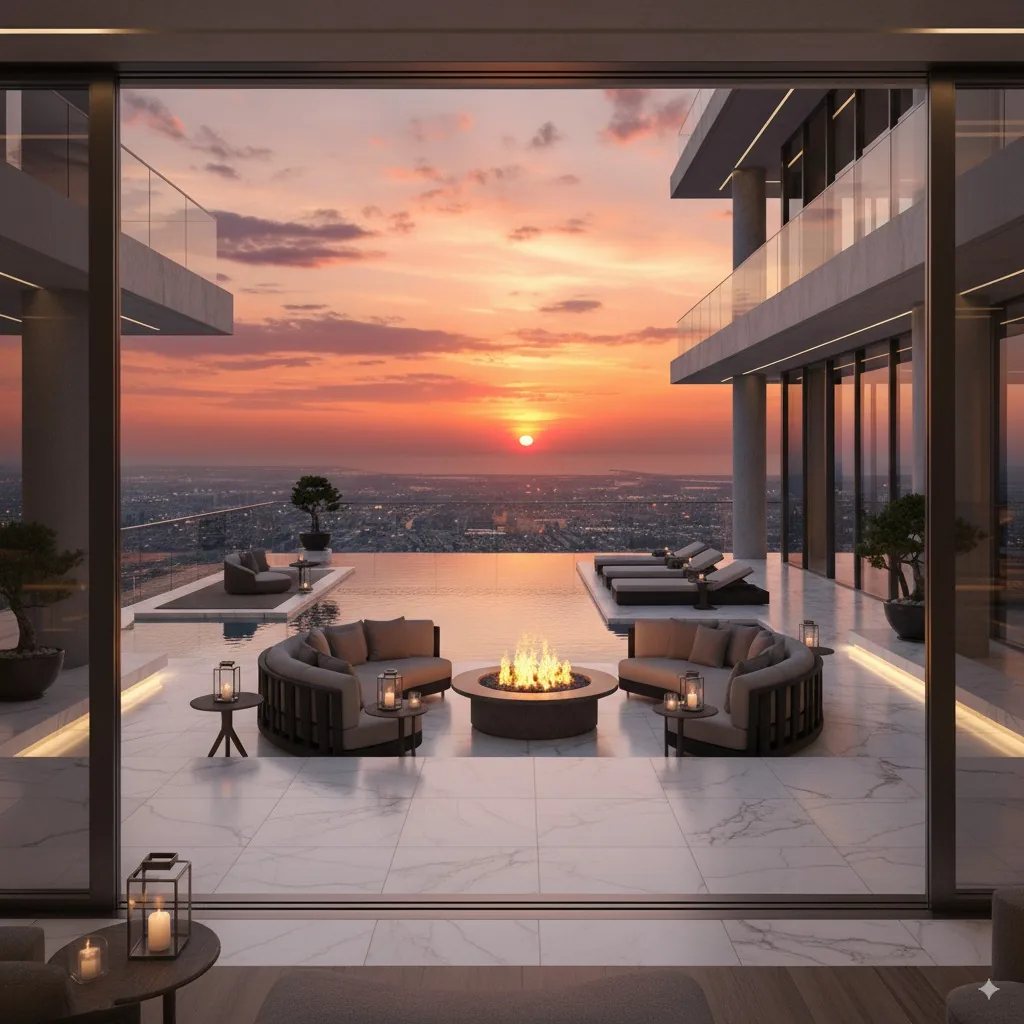
Higher perceived value: Nobody pays extra for a 2D plan. But they will pay extra for a sunset view from a balcony that already feels like theirs. A luxury render does not show an apartment, it shows a lifestyle. A real example: A developer in Lisbon managed to raise the asking price by 5% on units sold off-plan, simply because the images and the virtual tour communicated a level of exclusivity that the plans could not. That paid for the investment in 3D visualisation several times over.
The secret weapon against construction errors and budget ‘surprises’
If the first question is about price, the second should be about risk. The biggest cost in any project is not marketing; it is unplanned mistakes.
-
Catching mistakes early: 3D visualisation, especially when integrated with BIM models, is your cheapest insurance. Spotting a column in the wrong place or a services clash in the 3D model costs nothing. Spotting the same mistake once it is built costs tens of thousands of euros and weeks of delay. It is that simple.
-
Validating decisions: “Will this material work with this light?” “Does the space feel too cramped?” Instead of guessing, you SEE. This allows faster, safer decisions and gets architects, designers and clients aligned. An example: On a refurbishment project in Porto, the virtual tour let the client realise the kitchen island was too big, a change that on site would have been a logistical and financial nightmare.
Logic builds the building. Emotion signs the contract.
At the end of the day, people buy on emotion and justify with logic. A floor plan is logic. A photorealistic render is pure emotion.
-
Creating an emotional connection: Your client is not buying concrete and windows; they are buying the place where their children will grow up or where they will close the deal of their life. A 3D animation showing morning light coming into the living room, or a virtual tour that lets them “walk” through the space, creates a memory of a future they now want. That desire is what leads them to sign the contract.
-
Communicating the vision, not just the space: For investors especially, a high-quality render shows that the project is led by a team that does not settle for “good enough”. It demonstrates professionalism, attention to detail and a clear vision of the end product, increasing confidence and making it easier to raise finance.
Your next step
The next time you hear “this is too expensive”, smile. Now you have the answer. It is not an expense; it is the smartest investment you can make. It is a revenue accelerator, a risk reducer and your most powerful tool of emotional persuasion. The real question was never “how much does it cost?”. The question is: “How much are you losing by not doing it?”