
3D visualisation in architecture and real estate helps speed up decisions, reduce uncertainty and improve how projects are communicated. Find out how it can unblock stalled projects and make the sales and approval process more efficient.
The property market in Portugal is under pressure. High prices. High construction costs. Slow processes. But in the middle of all this, there is a problem almost nobody admits to, and it is holding back more projects than any other:
👉 The inability to make decisions quickly.
The problem is not the project. It is perception.
If you work in this sector, this will sound familiar:
You are in a meeting. You present the project. You show plans, sections, elevations. And then comes that sentence:
“I can't quite picture it…”
Silence. The meeting ends with:
-
“We will look at it calmly”
-
“We will get back to you with feedback”
And that feedback… takes days. Sometimes weeks.
👉 This is not a technical problem. It is a problem of perception.
Projects do not move forward because they are good. They move forward because they are clear.
You can have an incredible project. Well thought out. Functional. Profitable. But if the person who decides:
-
cannot imagine it
-
does not feel confident
-
cannot see the end result
👉 the project does not move forward.
Simple. And here is the uncomfortable truth:
👉 Most delays in real estate do not come from bureaucracy. They come from indecision.
Every “I will think about it” is costing money
Let us make this real. Every time a client says:
-
“I need to think about it”
-
“I want to go over this again”
Three things are happening:
-
The process slows down
-
The risk goes up
-
The money sits idle
Now multiply that by:
-
weeks of waiting
-
several meetings
-
multiple stakeholders
👉 The cost is not emotional. It is financial.
Have you seen this happen?
-
You sent plans and waited days for a reply
-
You had to explain the same project several times
-
An investor showed interest… but never decided
-
A project was put “on standby” for no clear reason
👉 These are not exceptions. This is normal. And this is exactly where the market is losing speed.
3D visualisation is not about aesthetics. It is about speeding up decisions.
Let us be direct! 3D visualisation is not there to “look nice”. It is there to remove friction. When you show a project in 3D:
-
there is no interpretation
-
there is no mental effort
-
there is no doubt
👉 There is immediate understanding. And that changes everything.
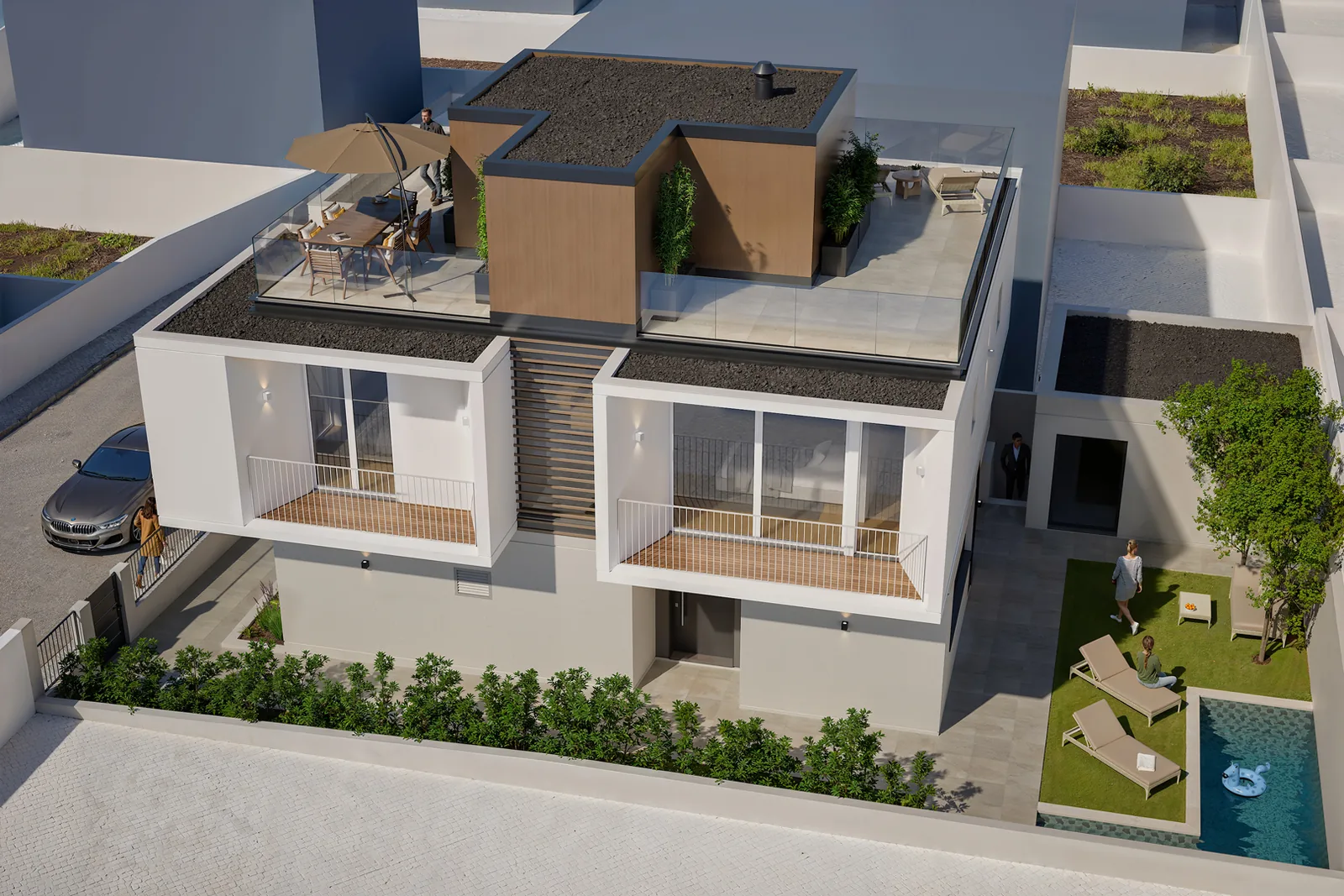
What changes in practice
When communication improves, behaviour changes:
-
Clients decide in meetings (not over weeks)
-
Investors gain confidence faster
-
Teams align without noise
👉 You are no longer explaining. You are showing. And when you show… the decision happens.
In an expensive market, speed is everything
Today, every delay costs more than ever.
-
Construction costs are rising
-
Capital has a cost
-
Risk accumulates
👉 Time is no longer a detail; it has become a critical factor in profitability.
Now think about this: if you can shorten decisions from weeks to days…
-
you sell faster
-
you reduce risk
-
you increase liquidity
👉 That is not marketing. It is business strategy.
Not using 3D visualisation is also a decision
And it has consequences. It means accepting:
-
more indecision
-
more meetings
-
more wasted time
👉 Ultimately, it means accepting that the project depends on the imagination of the person on the other side. And that… is an unnecessary risk.
The shift few are making (but should)
For years, 3D visualisation was seen as an extra. Today, that no longer makes sense. The most competitive professionals have already realised:
👉 Having good projects is not enough. You have to make them impossible to ignore.
Conclusion
3D visualisation will not solve the housing crisis. But it does solve something at the centre of everything:
👉 The decision.
And in a market where whoever decides fastest gains the advantage… this is not a detail. It is the difference between:
-
moving forward or standing still
-
selling or waiting
-
delivering or losing out
If you are in this sector, the question is not whether 3D visualisation is useful.
👉 It is: how much is it costing you not to use it in the right way?